
Snow looks magical from a warm vehicle window. It feels far less magical when you are standing on a platform with luggage, watching a connection time disappear. A Japan winter private tour gives you a more relaxed way to enjoy the season: private transportation, a pace shaped around your group, and support when cold weather changes the plan.
Winter in Japan can be wonderfully varied. Tokyo may be crisp and clear, Kyoto can be quiet and atmospheric, Hakone offers steaming hot springs beneath mountain views, and Nagano, Takayama, and Shirakawago bring the snow-covered scenes many travelers picture. The right itinerary depends on your travel dates, interests, mobility needs, and comfort with winter conditions. With a private driver, you do not have to make every decision around train transfers, icy walkways, or where to store your bags.
Why Choose a Japan Winter Private Tour?
Winter rewards travelers who plan for comfort. Popular places can feel calmer outside of the New Year holiday period, and clear winter air often creates excellent views of Mt. Fuji. Seasonal illuminations brighten city evenings, while hot springs, warm regional food, and traditional inns make colder days feel like part of the experience rather than something to endure.
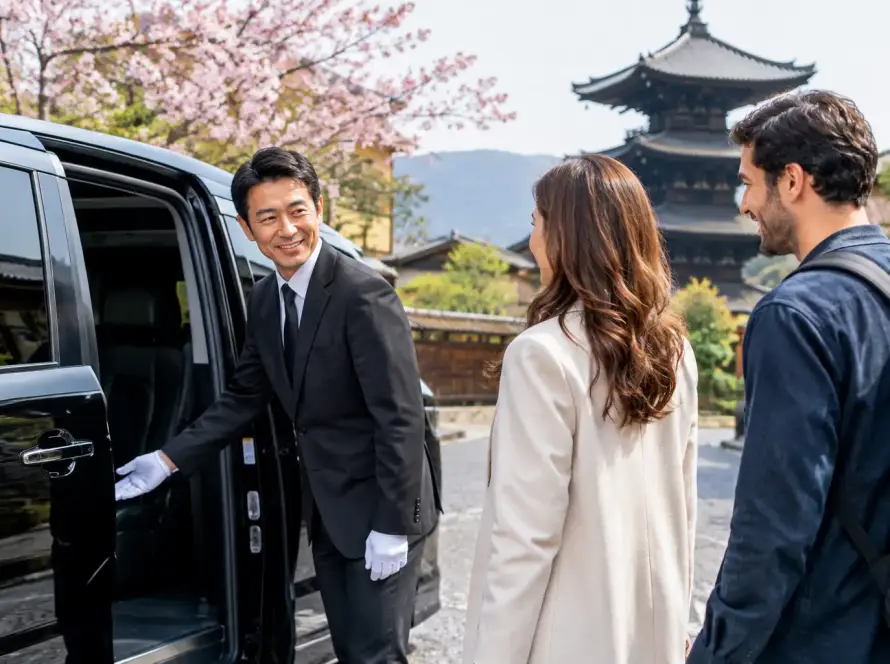
Private travel is especially helpful for families with children, multigenerational groups, couples celebrating a special trip, and visitors on a fixed schedule. Your driver can collect you at your hotel, help coordinate luggage, and take your group directly between stops. Road tolls, gas, and parking can be arranged as part of the service, so the day feels organized from the start.
It also gives you more control over pacing. Perhaps the kids need a warm drink break after playing in the snow. Maybe a senior traveler would rather enjoy a scenic viewpoint than walk a steep, icy street. Or your group wants extra time for photos when the light is perfect. A private itinerary can make room for those moments.
Winter weather calls for flexibility
A beautiful snowfall can also affect driving times, visibility, and attraction access. This is where local coordination matters. A thoughtful private tour plan includes realistic travel times and a backup idea when weather becomes more severe than expected.
That does not mean every snowy region is difficult to visit. It means the day should be designed sensibly. Mountain areas deserve earlier departures, warm clothing, and fewer tightly scheduled stops. In major cities, winter weather is often easier to manage, but early sunsets still make good timing important.
The Best Winter Experiences to Build Into Your Trip
Japan is not one winter destination. It offers city lights, mountain villages, cultural landmarks, coastal scenery, and restorative hot springs, often within the same trip.
Mt. Fuji, Hakone, and winter views
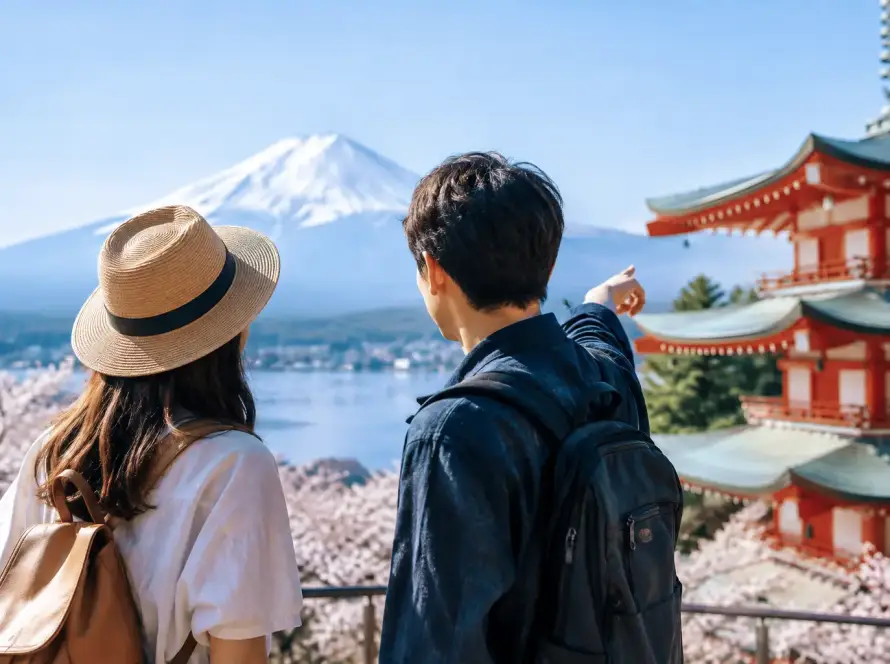
For many visitors, winter is one of the best seasons for viewing Mt. Fuji. Cold, dry days can bring sharper visibility than humid summer months. A private day trip from Tokyo can combine Fuji viewpoints with Lake Kawaguchi, Hakone scenery, shrines, ropeways, or an onsen experience, depending on road conditions and your preferred pace.
The trade-off is that a clear Fuji view is never guaranteed. Clouds can arrive quickly, and some higher attractions may have seasonal restrictions. It is wise to treat Mt. Fuji as the highlight, not the only reason for the day. A flexible route can still include beautiful lakes, local food, and memorable photo stops if the mountain stays hidden.
Tokyo illuminations and easy city days
Tokyo in winter is energetic without the heavy summer heat. A private city tour can connect classic highlights such as Asakusa, Meiji Shrine, Shibuya, Tokyo Skytree, Ginza, or teamLab-style experiences with seasonal light displays and shopping. Private transportation is particularly useful at night, when your group may be tired, carrying purchases, or traveling with younger children.
For travelers arriving after a long international flight, an airport pickup is a practical first step. Instead of figuring out rail tickets and hotel routes while managing winter coats and suitcases, you can begin the trip with a comfortable ride and clear communication in English.
Kyoto, Nara, and Osaka without the rush
Kyoto has a special stillness in winter. Temples and bamboo groves are often less crowded than during cherry blossom or fall foliage seasons, and a light dusting of snow can transform familiar sights. A private driver can connect Arashiyama, Kinkaku-ji, Fushimi Inari, Gion, and Kiyomizu-dera according to your priorities, rather than asking you to follow a fixed group schedule.
Nara pairs beautifully with Kyoto or Osaka for travelers who want to see historic temples and the famous deer park. Osaka adds a livelier contrast with food neighborhoods, family attractions, and evening city views. These cities are close on a map, but the day can become tiring when you combine unfamiliar stations, crowds, and multiple transfers. Private transport keeps the experience focused on the places, not the logistics.
Snow country: Nagano, Takayama, and Shirakawago
For travelers hoping to see Japan at its most wintry, Nagano, Takayama, and Shirakawago are standout choices. Nagano is known for mountain landscapes, ski areas, hot springs, and the snow monkeys of Jigokudani. Takayama offers preserved streets, morning markets, and a cozy old-town atmosphere. Shirakawago’s steep-roofed farmhouses under snow look almost unreal.
These areas require more careful planning than Tokyo or Kyoto. Heavy snowfall may slow roads, and walking surfaces can be slippery. A private vehicle with an experienced driver, appropriate winter preparation, and an itinerary that does not overpromise can make a major difference. Wear waterproof shoes with traction, dress in layers, and allow time to enjoy a warm meal rather than trying to squeeze in every landmark.
How to Plan a Comfortable Winter Day
Start with the people in your group, not a long list of attractions. A couple seeking quiet scenery may enjoy an onsen town and a scenic drive. A family may prefer snow play, easy photo stops, and attractions with indoor time. A corporate group might need punctual hotel pickups, space for luggage, and a schedule that supports a dinner reservation.
Share your hotel location, travel dates, group size, luggage count, desired destinations, and any mobility concerns when requesting your trip. Those details help determine the right vehicle, whether that is a seven-seat option for a small family or a larger van or bus for an extended group. If you would like language support at selected sites, a Japanese interpreter can also make cultural visits and special arrangements easier.
Winter daylight is limited, so place outdoor priorities earlier in the day whenever possible. Then use late afternoon and evening for a restaurant, shopping area, illumination, or indoor attraction. This simple adjustment helps you make the most of the light without feeling rushed.
Photography is another reason to plan your timing well. Snow, winter skies, lantern-lit streets, and Mt. Fuji viewpoints can create exceptional images, but cold hands and crowded public transit are not ideal for organizing group photos. A photography or photo-assistance service can help couples, families, and special-occasion travelers preserve the day while everyone stays present in it.
A Few Winter Details Worth Remembering
Pack a warm, water-resistant outer layer, gloves, and shoes suitable for wet or icy ground. Heat packs are easy to find in Japan and are a welcome extra on cold days. Keep a small bag available for scarves, hats, and layers you may remove when entering warm shops or restaurants.
Avoid scheduling every hour. Winter travel is more enjoyable when there is room for a slow lunch, a hot drink, an unexpected viewpoint, or a weather-related route change. Japan is beautifully efficient, but the most memorable travel days often come from having enough space to enjoy what you did not plan for.
Nippon Explorer can coordinate private transportation, custom sightseeing, English-speaking support, airport transfers, and photo services so your group can travel with more comfort and less guesswork. Book early for popular winter dates, especially around the New Year holiday, ski season weekends, and major illumination events.
Choose warmth, time together, and a plan that can adapt when the snow starts to fall. That is how a winter trip becomes more than a list of places – it becomes a collection of moments your group will talk about long after the coats are packed away.