Tokyo is thrilling, but a day beyond the city can change the shape of your whole Japan trip. One morning, you are surrounded by Shibuya crossings and neon signs; a few hours later, you could be looking at Mt. Fuji, walking beneath ancient cedar trees, or sharing a quiet seaside lunch. The best Tokyo day trips are close enough to enjoy in one full day, yet different enough to feel like a second destination.
For families, couples, friend groups, and travelers working with a fixed schedule, the real question is not simply where to go. It is how to make the most of the day without rushing between unfamiliar stations, carrying bags, deciphering transfers, or worrying about the ride home. A private vehicle gives you more control over timing, comfort, stops, and the experiences that matter most.
1. Mt. Fuji and Lake Kawaguchi
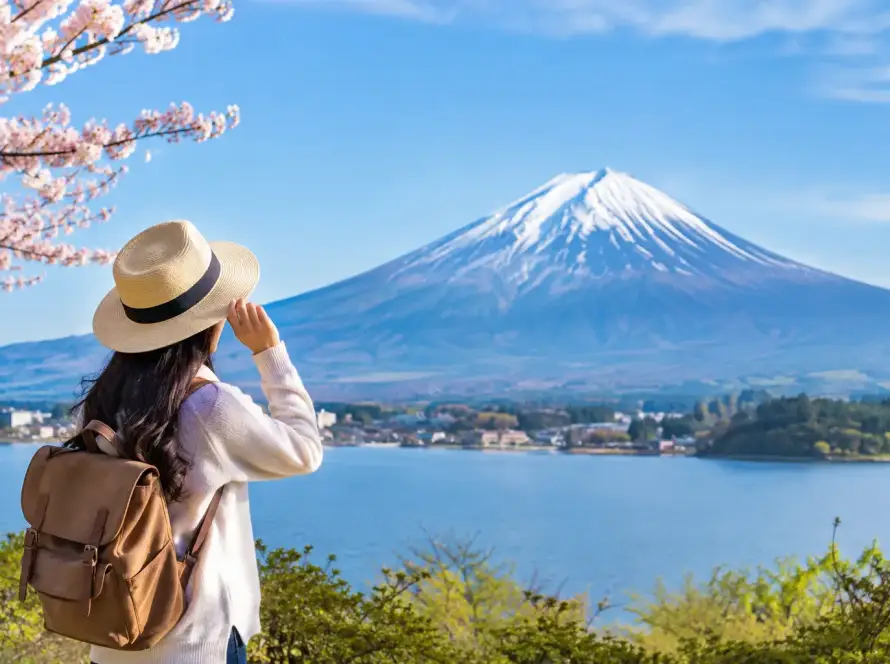
Mt. Fuji is the classic choice for a reason. On a clear day, seeing Japan’s most recognizable mountain reflected in Lake Kawaguchi is an experience that photographs cannot fully capture. The area also offers a wonderful balance of scenic viewpoints, small shrines, lakeside walks, local food, and seasonal beauty.
A typical private day can include Lake Kawaguchi, Oishi Park, the Chureito Pagoda area, Oshino Hakkai, and a stop for lunch with mountain views. In spring, cherry blossoms frame the landscape. Summer brings greener scenery, while fall colors and winter’s crisp air can make Fuji views especially striking.
There is one important trade-off: Mt. Fuji views depend on weather. Clouds can arrive quickly, even on days that begin clear. A flexible itinerary helps, allowing your driver to adjust the order of stops based on visibility and traffic. This is also a long day from central Tokyo, so it is best for travelers ready to start early and enjoy a full sightseeing schedule.
2. Hakone for Hot Springs and Mountain Scenery
Hakone is ideal when you want a scenic escape with a touch of luxury. This mountain resort area is known for hot springs, Lake Ashi, volcanic landscapes, museums, and views toward Mt. Fuji. It is especially appealing for couples, multigenerational families, and anyone who wants a slower-paced day without giving up memorable sights.
Depending on your interests, your day might include the Hakone Ropeway, Owakudani volcanic valley, a cruise across Lake Ashi, Hakone Shrine, and an onsen experience. The black eggs cooked in Owakudani’s sulfurous springs are a fun local tradition, while the shrine’s red torii gate by the lake is a popular photo stop.
Hakone is beautiful, but public transportation can involve several changes, queues, and a lot of walking. Private transportation is particularly helpful for groups with young children, seniors, strollers, or limited mobility. It also makes it easier to carry extra layers, snacks, and shopping without treating every train transfer like a packing challenge.
3. Nikko for Shrines, Waterfalls, and Forest Air
Nikko feels worlds away from Tokyo. It is a destination for travelers who want ornate architecture, deep forest, mountain roads, and a glimpse of Japan’s spiritual heritage. The UNESCO-listed Toshogu Shrine is its centerpiece, famous for detailed carvings, colorful gates, and the celebrated “see no evil, hear no evil, speak no evil” monkeys.
Beyond the shrine area, a private day trip can reach Shinkyo Bridge, Kegon Falls, Lake Chuzenji, and the winding Irohazaka road. The higher-elevation scenery is particularly rewarding in autumn, when the forests turn vivid shades of red, orange, and gold.
Nikko requires more driving than Kamakura or Yokohama, so it suits travelers who prefer one meaningful destination rather than several quick stops. It is also a smart choice if you have already seen Tokyo’s major neighborhoods and want a distinctly different side of Japan. Allow a full day, and do not try to squeeze Nikko into a late start.
4. Kamakura for Temples and the Seaside
Kamakura is one of the easiest and most satisfying day trips from Tokyo. Once the political center of medieval Japan, it combines historic temples, traditional streets, coastal views, and a relaxed town atmosphere. It is a strong option for first-time visitors who want culture without committing to a very long drive.
The Great Buddha at Kotoku-in is a must-see, but Kamakura is more rewarding when you add a few contrasting moments: the bamboo grove at Hokokuji Temple, Tsurugaoka Hachimangu Shrine, Komachi-dori shopping street, or a lunch near Yuigahama Beach. Enoshima can also be added for ocean views, caves, and a sunset-facing stroll if time allows.
Kamakura can become crowded on weekends and during cherry blossom or hydrangea season. Starting early makes a noticeable difference. For a more relaxed visit, choose fewer stops and leave room to pause for matcha, local sweets, or a quiet temple garden rather than racing through every famous sight.
5. Yokohama for Food, Harbor Views, and Easy Fun
Yokohama is close to Tokyo, but it has its own personality: open waterfront views, historic brick warehouses, creative museums, and one of Japan’s best-known Chinatowns. It works beautifully for families, corporate groups, or travelers who want a lighter day with excellent food and less time on the road.
Spend time in Minato Mirai for harbor scenery and shopping, visit the Cup Noodles Museum for a playful hands-on activity, then enjoy a meal in Yokohama Chinatown. The Sankeien Garden offers a quieter contrast, with historic Japanese buildings and seasonal flowers, while the Red Brick Warehouse area is excellent for a stroll and casual photos.
This is not the day trip for dramatic mountain landscapes or ancient temple immersion. Instead, it is about variety and ease. Yokohama is especially useful on arrival or departure days when you have less energy, a later start, or luggage to manage.
6. Kawagoe for Old Tokyo Atmosphere
For a shorter cultural outing, Kawagoe offers traditional merchant-storehouse streets, a bell tower, shrines, and snack-filled lanes that feel far removed from modern Tokyo. Often called “Little Edo,” it gives visitors a glimpse of the Edo-period atmosphere without traveling far.
Kashiya Yokocho, or Candy Alley, is a favorite for families and anyone with a sweet tooth. Try sweet potato treats, browse small craft shops, and enjoy a slower afternoon among wooden storefronts. Kawagoe is less dramatic than Mt. Fuji or Nikko, but that is part of its charm.
Choose Kawagoe if your group wants an easygoing day with food, history, and time to wander. It also pairs well with travelers who dislike long car rides or have younger children who may not enjoy a 10-hour mountain excursion.
7. Izu Peninsula for Coastline and Onsen Towns
If your ideal Japan memory involves ocean cliffs, quiet fishing towns, fresh seafood, and hot springs, consider the Izu Peninsula. It is a more ambitious day trip, but private transportation makes it realistic for guests who want to see beyond the usual Tokyo-area highlights.
Atami offers a convenient introduction with seaside views and hot spring culture. For more dramatic scenery, destinations farther south can include Jogasaki Coast, Kawazu waterfalls, or picturesque coastal roads. Spring visitors may time a visit for early Kawazu cherry blossoms, while summer is appealing for beaches and ocean air.
Because Izu is spread out, this trip needs careful planning. It is best to choose one section of the peninsula rather than trying to cover everything. A customized route is valuable here, especially if your group has a specific interest in onsen, photography, seafood, or seasonal flowers.
8. Chichibu for Nature and Seasonal Color
Chichibu is a rewarding alternative for travelers who want rural landscapes without the crowds of the most famous day-trip routes. It is known for shrines, mountains, rivers, flower parks, and seasonal events. The atmosphere is quieter, more local, and especially pleasant for repeat visitors to Japan.
The best itinerary depends heavily on the season. Spring brings moss phlox and cherry blossoms, summer offers river activities and green valleys, and autumn is excellent for foliage. Winter visitors may enjoy the Chichibu Night Festival period, though schedules and crowds should be checked carefully.
This is a destination to choose for breathing room, not for checking off famous landmarks. If your group values scenic drives, relaxed photo stops, and an unhurried day outside the city, Chichibu can be a lovely fit.
How to Choose the Right Day Trip From Tokyo
Start with the experience you want to remember. Choose Mt. Fuji or Hakone for iconic scenery, Nikko for history and forest landscapes, Kamakura for temples and the coast, Yokohama for easy city fun, or Kawagoe for old-town character. Izu and Chichibu are excellent when you have a little more flexibility and want something less expected.
Then consider your group’s pace. A family with a toddler, grandparents, or several suitcases may enjoy fewer locations and more comfortable travel time. A couple focused on photography may want an early departure and longer stops at scenic viewpoints. A private itinerary should work around your priorities, not force your day into a fixed route.
With Nippon Explorer, private drivers, comfortable vehicles, and customizable scheduling help take the pressure off the journey, including road costs, parking, and the details that can eat into valuable vacation time. Book early for popular seasons, bring comfortable shoes and a light layer, and leave a little room in the plan for an unexpected view, a favorite snack, or the photo that becomes your lasting Japan memory. 📷