

A Japan itinerary can look simple on a map: Tokyo one day, Mt. Fuji the next, Kyoto after that. In real life, it can mean crowded station platforms, multiple train transfers, stairs, luggage, unfamiliar signs, and precious sightseeing time spent figuring out where to go. The best Japan tours for seniors remove that strain without removing the joy of discovery.
Japan is wonderfully safe, clean, and rewarding for mature travelers. It is also large, busy, and full of small logistical details that can wear down even experienced travelers. A private, thoughtfully paced trip gives you room to see famous places, enjoy a proper lunch, take a rest when needed, and still come home with the photographs and memories you hoped for. ✨
What Makes Japan Easier for Senior Travelers
Comfort is not about rushing from one attraction to the next in a luxury vehicle. It is about having a day that feels manageable from beginning to end. That starts with door-to-door transportation, a driver who knows the local roads, and an itinerary built around your energy level rather than a fixed group schedule.
In Tokyo, that may mean seeing the Meiji Shrine, Imperial Palace area, Asakusa, and Tokyo Skytree without having to navigate several train lines between each stop. In Kyoto, it can mean being dropped close to Kiyomizu-dera, Arashiyama Bamboo Grove, or Fushimi Inari rather than walking long distances from a distant station or parking area. The difference is especially meaningful in summer heat, rainy weather, or during peak cherry blossom and autumn foliage seasons.
Private transportation also makes luggage days much less stressful. Airport pickup, hotel transfers, and travel between cities can be arranged around your arrival time and hotel location. Instead of carrying suitcases through a station while looking for the correct platform, you can settle into the vehicle and let the journey become part of the vacation.
That said, Japan’s most historic sites were not all built with modern accessibility in mind. Temple grounds, castle paths, gardens, and rural villages can include stone steps, slopes, gravel, and uneven surfaces. A good plan does not promise that every stop is effortless. It chooses realistic routes, allows extra time, and offers alternatives when a location is not the right fit for your mobility needs.
Japan Tours for Seniors Should Follow Your Pace
The biggest advantage of a private tour is flexibility. Some travelers want full days with early starts and several major attractions. Others would rather enjoy two or three highlights, a scenic drive, a relaxed meal, and time back at the hotel before dinner. Both are excellent ways to experience Japan.
When planning, share the details that make a practical difference: whether anyone uses a cane, walker, wheelchair, or portable oxygen; how long they are comfortable walking; whether frequent restroom stops are helpful; and if there are dietary needs or medication schedules to consider. These are not minor details. They shape a day that feels welcoming rather than demanding.
It is also wise to avoid overloading the itinerary. Tokyo and Kyoto each deserve more than a rushed checklist. A quieter morning in a traditional garden, a comfortable restaurant reservation, or an unhurried visit to a museum often becomes more memorable than squeezing in one more photo stop.
For multigenerational families, private travel is especially useful. Grandparents can move at a comfortable speed while children and adults still enjoy Japan’s lively neighborhoods, food, culture, and scenic destinations. A family can adjust the day as needed without holding up a large coach group or being separated across train cars.
Destinations That Work Beautifully With a Comfortable Plan
Japan offers much more than fast-paced city sightseeing. The best destination mix depends on interests, season, and mobility, but several regions work particularly well when transportation and timing are organized in advance.
Tokyo and Yokohama
Tokyo can be exciting without being exhausting. A private vehicle makes it easier to combine classic sights with calmer stops, such as the outer grounds of the Imperial Palace, Hamarikyu Gardens, Meiji Shrine, Asakusa, or a waterfront drive through Odaiba. For travelers who enjoy city views with fewer walking demands, observation decks and scenic neighborhoods provide a rewarding perspective.
Nearby Yokohama offers a more relaxed waterfront atmosphere, with harbor views, gardens, and an excellent choice of dining. It is a pleasant addition for travelers staying in the Tokyo area who want a change of pace.
Mt. Fuji and Hakone
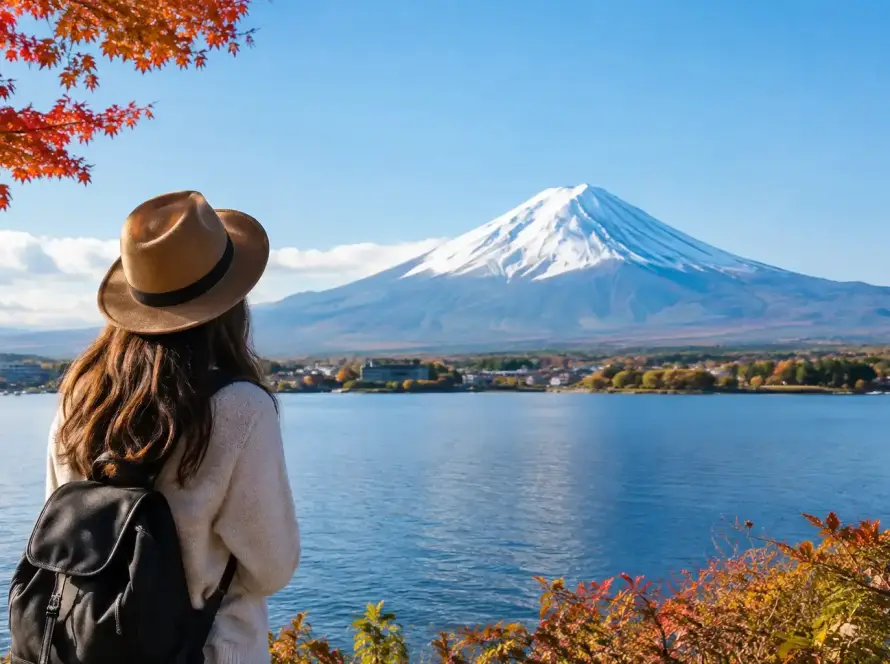
A Mt. Fuji day is one of Japan’s great travel experiences, especially when it is planned around weather and comfort. Clear views are never guaranteed, but a private tour can adapt its route to conditions and include lakeside scenery, panoramic viewpoints, local villages, or Hakone’s mountain landscapes.
Hakone is known for hot springs, art museums, ropeways, and lake cruises. Some parts are steep, so a customized route is essential. Travelers who prefer to limit walking can focus on scenic roads, selected viewpoints, and attractions with convenient access rather than attempting every stop.
Kyoto, Nara, and Osaka
Kyoto rewards a slower approach. Instead of trying to visit every famous temple, choose a few places that match your interests: golden architecture at Kinkaku-ji, the peaceful bamboo area of Arashiyama, traditional lanes in Gion, or a seasonal garden. Early starts can help avoid the busiest hours, while a private driver can reduce the time spent changing buses or searching for taxis.
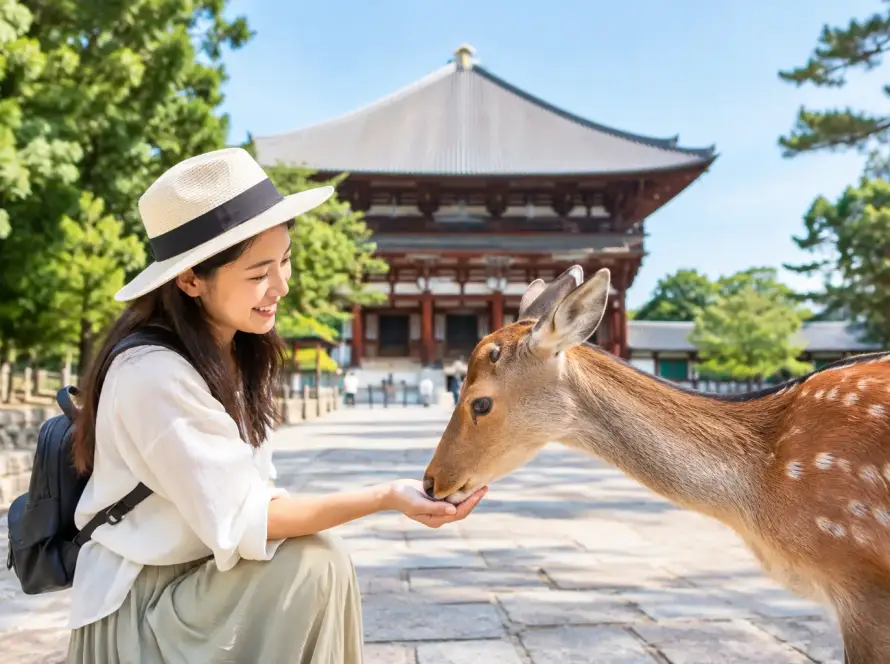
Nara is a lovely day trip for its park, deer, and historic temples, though walking distances can be longer than many first-time visitors expect. Osaka brings a different energy with its food culture, river views, and bright Dotonbori district. A balanced Kansai itinerary might pair Kyoto’s cultural sites with an easygoing Osaka evening rather than treating each city as a race.
Hiroshima, Kyushu, and Scenic Japan
For travelers returning to Japan or staying longer, Hiroshima offers moving history alongside beautiful Miyajima Island. In central Japan, Takayama and Shirakawago bring traditional architecture and mountain scenery, though winter weather and uneven village paths should be considered.
Kyushu is an excellent choice for a gentler regional journey. Destinations such as Nagasaki, Kumamoto, Beppu, Miyazaki, and Itoshima offer hot springs, coastal scenery, history, and local food with a less crowded feel than Tokyo or Kyoto. It is a strong option for travelers who want to see a different side of Japan without changing hotels every night.
The Details That Make a Private Tour Feel Better
A comfortable trip is built from practical choices. Vehicle size matters, particularly when travelers have large suitcases, foldable mobility aids, or several family members. A seven-seat vehicle can suit a small party, while larger groups may need a van, minibus, or coach with suitable space for passengers and luggage.
Ask what is included before you book. Road tolls, fuel, parking, driver time, airport pickup, and waiting time can affect the overall cost and the ease of the day. Clear communication is equally valuable. English-speaking drivers, Japanese interpreters when needed, and a responsive planning team can make restaurant visits, hotel coordination, and changes along the way far less intimidating.
Photography support can also be a thoughtful addition for couples and families. Too often, the person organizing the trip is missing from every picture. Having help with photos means everyone can be part of the memory, whether you are beneath cherry blossoms, overlooking Mt. Fuji, or celebrating a special anniversary in Kyoto.
At Nippon Explorer, we build private experiences around the people traveling, not a generic timetable. That can include airport transfers, flexible sightseeing, private drivers, larger vehicles for family groups, interpreters, and help coordinating the details that are easy to overlook before arriving in Japan.
A Few Smart Planning Choices Before You Go
Book key transportation early if you are traveling during cherry blossom season, autumn foliage, Golden Week, or year-end holidays. The most convenient vehicles and hotel locations can fill quickly. Build in rest days for longer trips, especially after an international flight or between major cities.
Choose hotels with easy vehicle access and elevators when possible. A beautiful property on a steep lane may not be the best choice if getting to and from it becomes tiring. It is also helpful to pack comfortable walking shoes with good grip, a light rain layer, and any medications in your carry-on bag.
Most of all, give yourselves permission to travel differently. You do not need to copy an influencer’s 12-hour itinerary to have an extraordinary Japan vacation. The quiet moments count too: tea overlooking a garden, a kind exchange with a local shop owner, a perfectly timed view of Fuji, or a family photo where everyone is relaxed and smiling.
Japan is at its best when you have the time and support to notice it. Plan the days around what matters to you, leave room for a slower moment when it feels right, and let the transportation details stay in capable hands. 😊

2 Comments